
Hooked From the First Scene: Can a Pilot Opening Predict Your Next Binge?
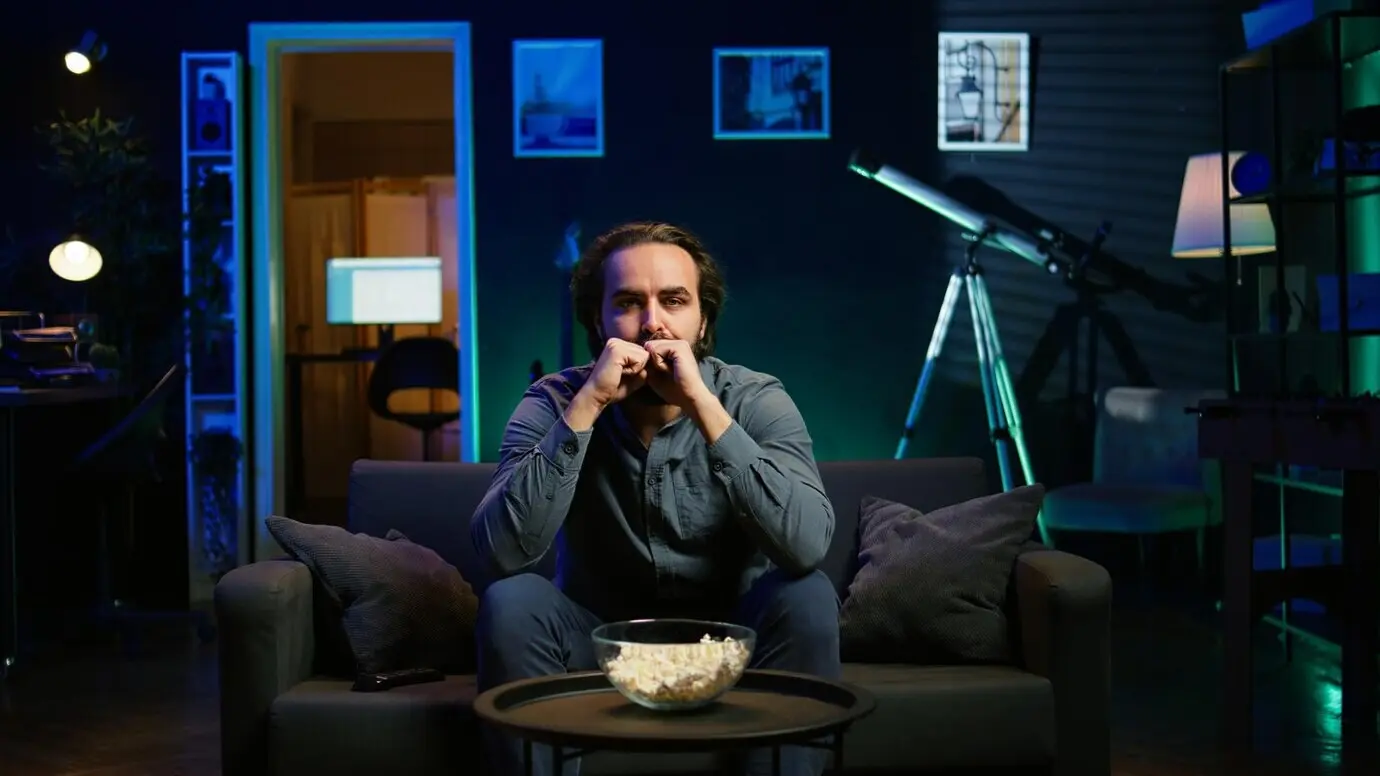
Join us as we explore predicting series binge-worthiness from pilot episode openings, focusing on those pivotal first minutes that spark curiosity, set stakes, and shape viewing momentum. We will blend storytelling, psychology, and measurable signals to make sense of the hunches your brain already trusts. Expect practical checklists, surprising insights, and real viewer stories that uncover why one opening becomes an irresistible invitation while another fades. Share your experiences, test our ideas, and help refine a smarter way to choose what deserves your evenings.

Anatomy of an Opening That Sparks Commitment

Before an episode finishes, your brain has already tallied reasons to continue. The opening determines whether tension, clarity, and novelty align into a compelling promise. We examine how initial questions, character signals, stakes, and micro-rewards steer attention, strengthen anticipation, and forecast whether people will reach for the next installment without hesitation, sleep, or second guessing. This foundation helps demystify that familiar moment when curiosity quietly outvotes caution and you decide that one episode was never going to be enough tonight.

The Hook That Plants Questions You Need Answered

Hooks work when they build a gap between what you know and what you must know, without confusing you into apathy. Effective pilots present clear stakes, immediate context, and unresolved tension built on character decisions, not arbitrary puzzles. The best hooks reward small inferences quickly while protecting a deeper mystery, creating momentum. You lean closer because progress feels possible, but resolution remains just out of reach, making a second episode feel like the only reasonable response to measured uncertainty.

Character Signals: Likability, Competence, and Mystery

Within minutes, viewers unconsciously evaluate whether they want to spend hours with these people. Likability invites empathy, competence promises capable action, and mystery hints at depth worth learning. A pilot opening that efficiently broadcasts all three creates a durable bond. Even flawed protagonists earn patience when a sliver of capability and vulnerability is evident early. Audiences binge when they sense hidden layers will unfold steadily, rewarding investment with revelations that feel earned rather than decorative or manipulative.

Momentum Through Micro-Cliffhangers

Micro-cliffhangers interrupt closure at carefully chosen beats, nudging you forward without cheapening the experience. Rather than shouting for attention, they whisper promise, then quickly deliver partial answers while exposing larger uncertainties. Strong pilot openings seed two or three micro-turns that create rhythm, not whiplash. You finish the scene feeling resolved about one detail yet more invested overall. This pattern repeats, building trust that the show pays off curiosity often enough to make continued watching feel like a smart decision.


Visual and Sonic Signals That Whisper Keep Watching

The opening minutes encode genre, tone, and ambition through sight and sound long before exposition arrives. Shot duration, motion, color, and sound design quietly tell you how the story breathes and whether it respects your attention. The right audiovisual cues cue expectation, reward focus, and build a memory scaffold that helps episodes lock together. When the senses agree with the writing, binge-worthiness rises because your nervous system feels guided, not shouted at, forming a reliable internal compass toward episode two.

From Gut Feeling to Measurable Indicators

Binge-worthiness feels subjective, yet many signals can be observed. We can annotate openings for clarity of stakes, curiosity density, pacing shifts, character goal visibility, and sensory congruence, then track correlations with continuation rates. Translating impressions into structured observations demystifies taste without flattening artistry. The aim is not to reduce stories to formulas but to illuminate patterns creators can deploy deliberately and viewers can recognize quickly, helping both sides understand why certain pilots ignite long nights while others gently fade.

Annotating the Cold Open With Precision

Define observable elements before opinion creeps in. Timestamp when the central question is introduced, when the protagonist’s initial goal appears, when the first consequence lands, and when the first micro-closure occurs. Note camera language, sonic motifs, and emotional beat changes. By codifying these signals, multiple viewers can compare notes meaningfully. The conversation shifts from vague vibes to shared evidence, allowing patterns of binge prediction to emerge with surprising consistency across genres, budgets, and narrative traditions without stifling individual interpretation.

Features That Predict Continuation Decisions

Consider features like hook clarity within ninety seconds, goal articulation by minute three, first payoff before minute six, and two distinct unanswered questions by minute ten. Add audiovisual congruence, character competence signals, and micro-cliffhanger cadence. These variables do not judge quality alone; they illuminate momentum architecture. When tracked against continuation behavior, they reveal how openings convert curiosity into intention. Even small shifts in early clarity can dramatically increase second-episode starts, suggesting approachable levers for creators and practical heuristics for viewers.

Guarding Against Bias and Overfitting

Not every audience values the same cues. Comedy may flourish on timing rather than mystery density, and slow-burn dramas reward patience differently. When modeling prediction, ensure diverse samples, transparent definitions, and separate evaluation for genres. Distinguish novelty from noise by testing whether features generalize to unseen shows. Embrace uncertainty as a signal too. The goal is a compass, not a cage, guiding smarter choices while honoring creative risk that sometimes breaks rules and still inspires irresistible, marathon-level devotion.

Psychology of the First Few Minutes

Pilot openings operate on cognitive shortcuts. Curiosity gaps draw attention, prediction errors trigger dopamine, and early coherence builds trust. Your brain seeks patterns that promise future rewards and minimal confusion. When stories provide timely payoffs and manageable ambiguity, the urge to continue feels natural. Frustration rises when stimuli overload without guidance. Understanding these processes helps viewers choose wisely and helps creators design openings that invite the right kind of effort, transforming a casual peek into a satisfying, sustained relationship.
Effective openings advertise discoverable paths. Information scent is the trail of clues suggesting that following the story will resolve uncertainty without wasting effort. Clear goals and stakes increase confidence, while layered questions maintain intrigue. The sweet spot delivers steady micro-answers and preserves a durable big question. Viewers binge when they trust the trail, sensing that attention will be rewarded regularly. If scent weakens or misleads early, the cost of continuing rises, and the pause button reenters the conversation.
Surprise works best when it violates expectations in a meaningful direction. An opening that overturns a genre cliché or reinterprets a character choice generates a small jolt of dopamine, teaching the brain that watching produces enjoyable learning. However, surprise without structure feels like noise, exhausting curiosity instead of cultivating it. Calibrated unpredictability in the pilot creates a pattern your brain wants more of, making the decision to continue feel like pursuing a proven source of engaging, repeatable discovery.

Stories From the Couch: What Viewers Actually Do

Beyond theories, lived moments tell the tale. Readers often describe realizing halfway through a pilot that they have mentally scheduled the next hour. Others recount stopping early when the opening felt noisy yet empty. By comparing experiences across genres, we see recurring cues that nudge decisions. Sharing these stories refines our checklist and reveals cultural differences in what feels inviting. Add your voice, challenge our patterns, and help shape a community playbook for choosing shows that genuinely deserve long evenings.

A Practical Checklist for Creators and Curious Viewers

Turn insight into actions you can use tonight. This checklist translates nuanced ideas into quick observations you can make during the first minutes of any pilot. It protects your time, supports creative decisions, and invites conversation. Treat it as a living tool: adapt it to your taste, your genre, and your goals. Share your notes with us, compare impressions with friends, and help crowd-tune a resilient guide for identifying openings that truly deserve your precious, unrepeatable attention.
Tixinomivivimile
Privacy Overview

This website uses cookies so that we can provide you with the best user experience possible. Cookie information is stored in your browser and performs functions such as recognising you when you return to our website and helping our team to understand which sections of the website you find most interesting and useful.